
The journey of homeownership transforms from a dream to reality with a single stack of signed documents. Navigating the complex maze of real estate transactions leaves many homebuyers overwhelmed and uncertain about next steps. The post-signing process feels like a labyrinth of legal procedures that can intimidate even seasoned buyers.
After signing closing documents, the closing agent verifies paperwork and coordinates fund transfers to complete the property purchase. The lender releases mortgage funds via wire transfer, and the deed gets recorded with local authorities within days.
Closing day marks a significant milestone in your homeownership journey. The property officially becomes yours once funds transfer successfully and documents are verified.
Key actions occur immediately:
- Deed recording with local authorities
- Fund transfers to seller
- Property tax responsibility shifts to you
- Homeowners insurance activates
Keys will be handed over after all financial and legal requirements are met. The transition involves multiple stakeholders ensuring a smooth transfer of ownership. Professional teams work behind the scenes to finalize your home purchase. Each document and transaction represents a critical step in your real estate journey.
In this blog I will explore everything related to post-closing home purchase procedures.
Key Takeaways
- Closing agent verifies all paperwork and notarization before processing funds to the seller’s account.
- Deed is recorded with local authorities within 1-3 business days to officially confirm ownership transfer.
- Keys are handed over after successful fund transfers and document verification are completed.
- Property tax responsibility and homeowner’s insurance coverage transfer to the buyer on closing day.
- Mortgage payment arrangements must be established promptly with automatic payments set up before the first due date.
What Happens After Signing Closing Documents?

After signing the closing documents, you officially become the legal owner of the property. The closing agent processes the fund transfers and verifies all required signatures. Within a few days, local authorities record your deed, completing the transfer of full ownership to you.
Several important steps follow immediately after closing. You’ll receive key documents such as the closing disclosure, deed, and title insurance policy. Responsibility for property taxes transfers to you on the day of closing. To protect your investment, update your homeowners insurance and set up timely mortgage payments.
Keep all new documents organized and stored securely for future reference. Keep the original copies in a safe place and make sure all recorded details match your closing agreement. Contact your closing agent right away if you notice any discrepancies.
How Does the Closing Process Work?
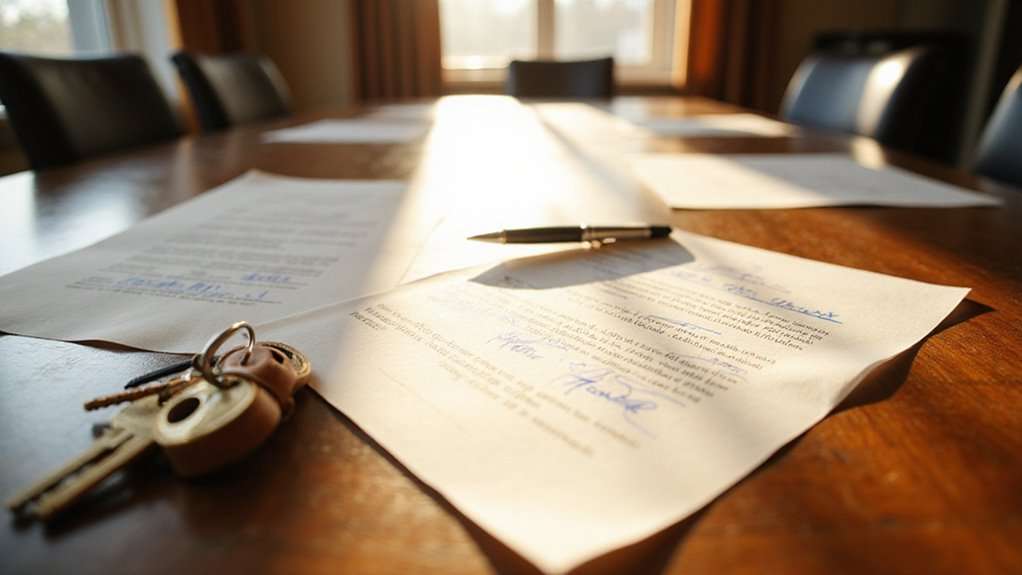
After you sign your closing documents, your closing agent verifies all paperwork and ensures proper notarization before processing can begin. Your funds then transfer to the seller’s account, and the closing agent concurrently records your deed with local authorities to officially transfer ownership. Once the deed is recorded and funds are dispersed, you’ll receive your keys and become the legal property owner.
Document Verification and Notarization
Kansas law requires thorough document verification before property transfer. A closing agent reviews your entire closing package carefully. Each document needs accurate notarization by a qualified professional. The notary confirms your identity and witnesses all signatures. This process prevents potential legal issues in the future. Protecting your interests remains the primary goal during closing.
Local authorities receive title transfer paperwork after verification. Successful fund transfers complete the final steps. You’ll receive keys once all documentation meets legal standards.
Fund Transfer Processing
Fund transfers occur systematically during real estate closings. The closing agent coordinates financial movements precisely. Mortgage lenders release funds to designated accounts. Payments flow through verified channels. Sellers, agents, and service providers receive their allocated amounts. Wire transfers ensure secure money movement. Key steps include confirming fund clearance and document signatures. Local authorities record the transaction officially. Settlement statements validate all financial transfers.
Clients gain property access after complete fund processing. Final recordings guarantee transaction completion. Real estate transactions conclude with precise monetary exchanges.
Official Recording of Deed
County recorders file property deeds to establish legal ownership transfer. The process ensures official documentation of property transactions. Closing agents submit signed documents after funds clear. Recording numbers track each property transfer in county records. The filing creates a permanent legal record of ownership change. Deeds become public documents accessible through local government offices.
Homeowners receive a recorded copy for personal documentation. Keep this document alongside title insurance and mortgage paperwork. Proper record-keeping protects your property rights and supports future transactions. Deed recording typically completes within several business days. Processing times vary by specific county regulations. Consult local county recorder’s office for precise timeline details.
What Are the Next Steps After Signing?

Next steps after signing involve completing critical post-closing tasks to finalize your property transfer. Record your deed with local authorities immediately after signing. Secure all critical documents like closing disclosure and title insurance policy. Store these papers in a safe, accessible location for future reference. Update property insurance right away to protect your new investment.
Establish mortgage payment arrangements to maintain good financial standing. Confirm property tax responsibilities effective on the closing date. Your closing process typically spans 43 days from contract to key handover. After recording and document signing, you’ll receive keys, completing the property transfer process.
When Will You Get the Keys to Your Property?

Most homebuyers receive keys on the same day of closing. Your closing agent handles the final property transfer. Funds must clear before key handoff occurs. Typical key delivery happens within hours after signing documents. Local authorities will record the property deed. You’ll coordinate exact timing with your closing agent.
Coordinate your move-in logistics in advance. Ensure property insurance and mortgage payments are active before taking possession. This protects your investment and prevents potential penalties.
| Timeline Phase | What Happens | Your Action |
|---|---|---|
| Fund Dispersal | Closing agent transfers buyer funds | Monitor confirmation |
| Deed Recording | Local authorities officially record deed | Await notification |
| Key Handoff | Seller receives proceeds; you gain possession | Arrange move logistics |
What Documents Should You Keep After Closing?
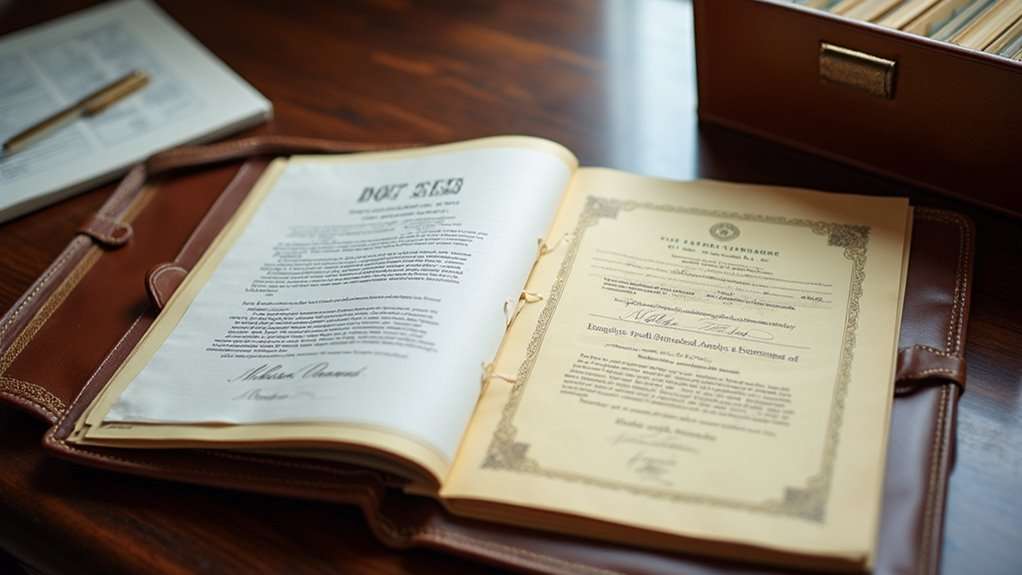
After closing on a home, keep these critical documents to protect your property rights: Four key documents are essential for homeowners. The Closing Disclosure details final loan terms and costs. The Deed proves your property ownership. The Mortgage Note outlines loan payment obligations.
Store documents securely in a fireproof safe or digital backup. Title insurance policies protect against future ownership claims. These records become crucial during refinancing, property sales, or legal disputes.
Recommended storage methods:
- Fireproof home safe
- Secure digital cloud storage
- Bank safety deposit box
Maintaining organized documentation safeguards your financial interests and property rights for years to come.
How Long Until the Sale Is Officially Recorded?
Recording typically occurs 1-3 business days after closing. Local county authorities process the deed after funds transfer and signatures complete. Actual timing depends on specific county procedures.
Buyers should confirm the exact recording date with their closing agent. Recording fees average around $50. Property ownership officially transfers once the deed enters public records. Coordinate your move carefully after verifying the recording status. Coordinate with your agent to understand precise timelines. Confirm occupancy rights align with official recording completion.
What Financial Changes Happen After Closing?
You’ll need to update your homeowner’s insurance policy and notify your lender of the coverage details before you take possession. Your property tax responsibility shifts to you effective the day of closing, so verify the proration terms in your closing disclosure and budget accordingly. Set up your mortgage payments immediately to avoid penalties and ensure your lender receives funds on schedule.
Property Tax Responsibility Transfer
Property tax responsibility transfers to you upon closing, typically on the day of sale. Taxes average 1.25% of assessed property value in Kansas, with variations by county. Homeowners must activate insurance before closing to protect their investment. You’ll receive the first tax bill after the county confirms your ownership status.
Contact your county assessor’s office to verify specific tax obligations. Establish escrow accounts with your lender to manage potential post-closing financial transitions smoothly.
Insurance Policy Updates
Homeowners insurance is crucial when buying a property. Your lender requires active coverage before fund dispersal. Insurance must be in place by closing day. Coordinate with your insurance agent to activate the policy. Confirm the property’s condition during the final walkthrough. Protect your investment with comprehensive coverage. Complete these key tasks before closing:
- Obtain homeowners insurance
- Activate policy on closing day
- Update mortgage servicing within 30 days
Set up automatic mortgage payments immediately after escrow. Keep insurance documents, deed, and title policy easily accessible. Prevent coverage lapses and potential financial penalties. Proactive insurance management ensures a smooth home purchase. Verify all requirements with your lender and agent. Protect your new property with thorough preparation.
Mortgage Payment Setup
Set up automatic payments immediately after closing. Link your bank account to the mortgage servicer for seamless transactions. Schedule payments before the first due date to avoid late penalties.
Contact your lender to confirm loan funding. Verify account activation and payment method. Request a payment schedule and set calendar reminders for future dates. Gather essential documents like your mortgage note. Keep records of payment confirmations and lender communications. Maintain organized financial documentation for smooth ongoing mortgage management. Most mortgages include principal, interest, taxes, and insurance (PITI). Review these components to ensure accurate budgeting and timely payments.
Ready to Skip the Traditional Closing Hassles?
Skip traditional closing hassles with digital real estate platforms. These services compress settlement timelines and simplify document management. Remote signing reduces coordination challenges between transaction parties.
Digital closing technologies cut average transaction times by 30-40%. Online portals verify titles concurrently with document processing. Clients experience faster, more streamlined property transfers without sacrificing legal protections.
Modern fintech solutions maintain full regulatory compliance. All standard safeguards like title insurance and deed recording remain intact. Professionals can manage multiple transactions more efficiently through integrated digital platforms.
Transaction speed matters. These innovative tools help buyers and sellers complete real estate deals quicker. Digital closings represent the future of property transfers, eliminating unnecessary waiting periods.
Conclusion
After signing closing documents, several important steps follow immediately. The deed gets recorded by your closing agent within hours. You’ll receive your keys once all funds have cleared successfully.
Your new homeownership comes with immediate financial responsibilities. Property taxes and mortgage payments become your direct obligation. Homeowner’s insurance should be updated before closing to prevent coverage gaps. We at HouseMax recommend reviewing all insurance details carefully.
Our team serves homeowners across the Kansas City Metropolitan area in multiple communities. We buy houses in Overland Park, KS, Olathe, KS, Independence, MO, Lee’s Summit, MO, and Shawnee, KS. We understand the complexities of real estate transactions. Our goal is to support homeowners through every stage of property transfer.

Hi, I’m Jason Jones, founder of House Max here in Kansas City. I’ve been in real estate for many years, starting in mortgages and later moving into investing and creative financing. Since 2012, I’ve been helping homeowners sell their houses quickly—whether they’re downsizing, relocating, or facing unexpected situations. Being born and raised in Kansas City gives me the local expertise to guide every transaction with integrity and care. My goal is always to make selling your house simple, fast, and stress-free.